
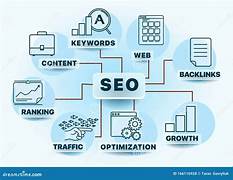
Introduction In today’s digital landscape, having a website is not enough. With millions of websites competing for attention online, businesses must ensure that their websites are visible to potential customers. This is where Search Engine Optimization (SEO) comes into play. SEO is the process of optimizing a website to improve its visibility on search engines such as Google, Bing, and Yahoo. Effective SEO helps websites rank higher in search engine results pages (SERPs), attract more organic traffic, increase brand awareness, and generate more leads and sales. Whether you own a small business, manage an e-commerce store, or run a corporate website, understanding SEO optimization is essential for online success. This comprehensive guide explores SEO optimization, its importance, key components, and best practices that can help improve website rankings and overall online performance. What is SEO Optimization? SEO optimization refers to the process of improving various elements of a website to make it more attractive to search engines and users. The primary goal is to increase organic traffic by achieving higher rankings for relevant search queries. Search engines use complex algorithms to determine which pages should appear for specific searches. SEO helps align a website with these ranking factors, making it easier for search engines to understand and index content. SEO involves multiple strategies, including keyword research, content optimization, technical improvements, link building, and user experience enhancements. Why SEO is Important Increased Organic Traffic Organic traffic refers to visitors who arrive at a website through unpaid search results. Higher rankings typically lead to more clicks and increased website traffic. Better User Experience SEO focuses on improving website speed, navigation, mobile responsiveness, and content quality, all of which enhance user experience. Higher Credibility and Trust Websites that rank on the first page of Google are generally perceived as more trustworthy and authoritative by users. Cost-Effective Marketing Unlike paid advertising, SEO provides long-term benefits without requiring continuous advertising expenses. Competitive Advantage Businesses that invest in SEO often outperform competitors who neglect search engine optimization. Understanding How Search Engines Work Search engines operate through three main processes: Crawling Search engines use bots, also known as spiders or crawlers, to discover web pages across the internet. Indexing Once pages are crawled, search engines store and organize the information in their databases. Ranking When users perform searches, search engines evaluate indexed pages and rank them based on relevance, authority, and user experience. Understanding these processes helps businesses create websites that are easier for search engines to crawl, index, and rank. Keyword Research: The Foundation of SEO Keyword research is one of the most critical aspects of SEO optimization. Keywords are the words and phrases users type into search engines when looking for information. Types of Keywords Short-Tail Keywords These are broad search terms consisting of one or two words. Example: Marketing Gold Jewellery Long-Tail Keywords These are more specific phrases that often have lower competition and higher conversion rates. Example: Best SEO optimization strategies for beginners How to buy gold jewellery in India Benefits of Keyword Research Identifies user intent Helps create relevant content Improves search visibility Increases targeted traffic Popular Keyword Research Tools Google Keyword Planner Ahrefs SEMrush Ubersuggest Moz Keyword Explorer On-Page SEO Optimization On-page SEO involves optimizing elements within a website to improve rankings and user experience. Title Tags Title tags are one of the most important ranking factors. Every page should have a unique and descriptive title containing the target keyword. Example: SEO Optimization Guide: Improve Website Rankings Fast Meta Descriptions Meta descriptions provide a brief summary of page content and encourage users to click. Example: Learn the best SEO optimization techniques to increase website traffic, improve rankings, and grow your online presence. Header Tags Using H1, H2, H3, and H4 tags helps organize content and improves readability. URL Structure SEO-friendly URLs should be short, descriptive, and include target keywords. Example: www.example.com/seo-optimization-guide Image Optimization Optimizing images improves page speed and accessibility. Best practices include: Compress images Use descriptive file names Add alt text Choose appropriate formats Internal Linking Internal links connect pages within the same website, helping search engines understand site structure and distribute authority. Content Optimization Content remains one of the most influential SEO ranking factors. Create High-Quality Content Search engines prioritize content that provides value to users. Quality content should be: Informative Accurate Original Well-structured Engaging Focus on Search Intent Understanding why users search for specific keywords helps create content that satisfies their needs. Search intent generally falls into four categories: Informational Users seek information. Example:What is SEO optimization? Navigational Users want to visit a specific website. Commercial Users compare products or services before purchasing. Transactional Users are ready to take action or make a purchase. Content Freshness Regularly updating content signals relevance and improves rankings. Technical SEO Optimization Technical SEO focuses on improving website infrastructure and performance. Website Speed Page speed significantly affects user experience and rankings. Ways to improve speed: Compress images Enable browser caching Minimize CSS and JavaScript Use a content delivery network (CDN) Mobile-Friendliness With mobile-first indexing, websites must perform well on smartphones and tablets. Best practices include: Responsive design Readable text Fast loading times Touch-friendly navigation XML Sitemap An XML sitemap helps search engines discover and index website pages more efficiently. Robots.txt This file instructs search engine crawlers on which pages they can or cannot access. HTTPS Security Secure websites using HTTPS provide better protection and receive ranking benefits. Structured Data Structured data helps search engines understand content and display rich snippets in search results. Examples include: Product ratings FAQs Reviews Events Off-Page SEO Optimization Off-page SEO refers to actions taken outside the website to improve authority and rankings. Link Building Backlinks are links from other websites pointing to your site. High-quality backlinks signal trust and authority to search engines. Effective Link Building Strategies Guest Blogging Publishing articles on reputable websites can generate valuable backlinks. Content Marketing Creating shareable content naturally attracts links. Broken Link Building Identifying broken links and suggesting your content as a replacement. Digital PR Earning media coverage and mentions from

How to Buy Gold Jewellery in India
Introduction How to buy Gold jewellery in india holds a special place in Indian culture and traditions. Whether it is a wedding, festival, family celebration, or investment purpose, gold remains one of the most preferred assets among Indian consumers. For centuries, gold has symbolized prosperity, wealth, and social status. Today, buying gold jewellery is not just an emotional purchase but also a financial decision. However, with changing market trends, fluctuating gold prices, and the availability of numerous jewellery brands, purchasing gold jewellery can be challenging for first-time buyers. Understanding purity standards, hallmark certifications, making charges, and pricing structures is essential to ensure you get value for your money. This comprehensive guide will help you understand everything you need to know before buying gold jewellery in India. Why Gold Jewellery is Popular in India Gold jewellery is deeply rooted in Indian traditions. It is commonly purchased during weddings, religious ceremonies, festivals such as Diwali and Akshaya Tritiya, and special family occasions. Some key reasons for its popularity include: Cultural and religious significanc Long-term value appreciation High liquidity Financial security Attractive fashion accessory Inheritance and wealth transfer For many Indian families, gold jewellery serves both decorative and investment purposes. Understanding Gold Purity Before Buying One of the most important factors to consider while purchasing gold jewellery is purity. What is Gold Purity? Pure gold is measured in karats (K). The higher the karat value, the purer the gold. 24K Gold Contains 99.9% pure gold Bright yellow appearance Too soft for jewellery making Mostly used for investment purposes 22K Gold Contains 91.6% gold Most common choice for jewellery Durable and attractive Ideal for traditional ornaments 18K Gold Contains 75% gold Mixed with stronger metals Suitable for diamond and gemstone jewellery More durable than 22K gold 14K Gold Contains 58.5% gold Affordable option Popular for modern designs Highly durable For regular jewellery purchases, 22K gold remains the preferred choice in India. Importance of BIS Hallmark Certification When buying gold jewellery, always check for BIS Hallmark certification. What is BIS Hallmark? BIS stands for Bureau of Indian Standards. Hallmark certification verifies the purity and authenticity of gold jewellery. Hallmarked jewellery protects buyers from fraud and ensures they receive the purity promised by the jeweller. Components of BIS Hallmark A hallmarked gold ornament generally contains: BIS logo Purity grade Hallmark Unique Identification (HUID) Assaying centre mark Jeweller identification mark Always verify these details before purchasing. Decide the Purpose of Buying Gold Jewellery Before entering a jewellery store, determine why you are buying gold. Jewellery for Weddings Necklaces Bangles Earrings Mangalsutra Bridal sets Traditional 22K gold jewellery is usually preferred for weddings. Jewellery for Daily Wear For daily use: Lightweight chains Small earrings Rings Bracelets 18K or 14K gold may be a practical option because of better durability. If your primary objective is investment: Gold coins Gold bars Minimal-design jewellery Avoid heavy making charges when buying gold for investment purposes. Research Current Gold Prices Gold prices fluctuate daily based on global and domestic market conditions. Factors Affecting Gold Prices International gold rates Currency exchange rates Inflation Economic conditions Demand and supply Government policies Before purchasing, compare gold rates from multiple reliable sources and jewellers. Knowing the current gold price helps you negotiate effectively and avoid overpaying. Understanding Making Charges Many buyers focus only on gold rates and ignore making charges. What Are Making Charges? Making charges are labour costs incurred in designing and crafting jewellery. These charges vary depending on: Design complexity Craftsmanship Brand reputation Handmade or machine-made jewellery Types of Making Charges Fixed Making Charges A fixed amount is added regardless of gold weight Percentage-Based Making Charges A percentage of the gold value is charged. This method is common among jewellers. How to Save on Making Charges Compare multiple jewellers Purchase during festive offers Choose simple designs Negotiate whenever possible Lower making charges can significantly reduce the final purchase cost. Consider Wastage Charges Certain intricate jewellery designs involve wastage during manufacturing. Jewellers may include wastage charges in the final bill. Before purchasing: Ask for a detailed cost breakdown Understand all additional charges Compare pricing among stores Transparency helps avoid hidden costs. Choose a Trusted Jeweller Selecting a reputable jeweller is essential for a safe purchase. Benefits of Buying from Established Jewellers Assured purity Better customer service Transparent billing Exchange facilities Buyback guarantees Authentic certifications What to Check Before Choosing a Jeweller Customer reviews BIS certification Years of experience Exchange policies Buyback options A trusted jeweller provides peace of mind and long-term value. Compare Online and Offline Jewellery Purchases Modern consumers can purchase jewellery both online and offline. Advantages of Offline Buying Physical inspectio Immediate purchase Personalized assistance Better negotiation opportunities Advantages of Online Buying Wider variety Convenient shopping Easy price comparison Attractive discounts Choose the option that best suits your comfort and requirements. Check Buyback and Exchange Policies Gold jewellery often gets exchanged or sold in the future. Why Buyback Policies Matter A good buyback policy ensures: Better resale value Easy upgrades Reduced financial loss Before purchasing, ask: Buyback percentage Deduction policies Documentation requirements Transparent policies increase the overall value of your investment. Evaluate Jewellery Design and Craftsmanship While purity is important, design quality also matters. Key Factors to Consider Finish quality Symmetry Stone setting Clasp strength Comfort while wearing Examine jewellery carefully before making a purchase. Poor craftsmanship can reduce durability and resale value. Verify Weight Accuracy Gold jewellery pricing depends largely on weight. Always ask the jeweller to weigh the ornament in front of you. Why Weight Verification is Important Ensures transparency Prevents billing errors Helps calculate actual value Cross-check the weight mentioned on the invoice. Understand Tax and Billing Structure Gold purchases attract Goods and Services Tax (GST). Common Charges Included in the Bill Gold value Making charges Wastage charges (if applicable) GST Request a detailed invoice showing all charges separately. Proper billing ensures transparency and simplifies future resale or exchange. Common Mistakes to Avoid When Buying Gold Jewellery Many buyers make avoidable mistakes. Buying Without Hallmark Never purchase non-hallmarked jewellery. Ignoring
