
Introduction
In today’s digital landscape, having a website is not enough. With millions of websites competing for attention online, businesses must ensure that their websites are visible to potential customers. This is where Search Engine Optimization (SEO) comes into play. SEO is the process of optimizing a website to improve its visibility on search engines such as Google, Bing, and Yahoo.
Effective SEO helps websites rank higher in search engine results pages (SERPs), attract more organic traffic, increase brand awareness, and generate more leads and sales. Whether you own a small business, manage an e-commerce store, or run a corporate website, understanding SEO optimization is essential for online success.
This comprehensive guide explores SEO optimization, its importance, key components, and best practices that can help improve website rankings and overall online performance.
What is SEO Optimization?
SEO optimization refers to the process of improving various elements of a website to make it more attractive to search engines and users. The primary goal is to increase organic traffic by achieving higher rankings for relevant search queries.
Search engines use complex algorithms to determine which pages should appear for specific searches. SEO helps align a website with these ranking factors, making it easier for search engines to understand and index content.
SEO involves multiple strategies, including keyword research, content optimization, technical improvements, link building, and user experience enhancements.
Why SEO is Important
Increased Organic Traffic
Organic traffic refers to visitors who arrive at a website through unpaid search results. Higher rankings typically lead to more clicks and increased website traffic.
Better User Experience
SEO focuses on improving website speed, navigation, mobile responsiveness, and content quality, all of which enhance user experience.
Higher Credibility and Trust
Websites that rank on the first page of Google are generally perceived as more trustworthy and authoritative by users.
Cost-Effective Marketing
Unlike paid advertising, SEO provides long-term benefits without requiring continuous advertising expenses.
Competitive Advantage
Businesses that invest in SEO often outperform competitors who neglect search engine optimization.
Understanding How Search Engines Work
Search engines operate through three main processes:
Crawling
Search engines use bots, also known as spiders or crawlers, to discover web pages across the internet.
Indexing
Once pages are crawled, search engines store and organize the information in their databases.
Ranking
When users perform searches, search engines evaluate indexed pages and rank them based on relevance, authority, and user experience.
Understanding these processes helps businesses create websites that are easier for search engines to crawl, index, and rank.
Keyword Research: The Foundation of SEO
Keyword research is one of the most critical aspects of SEO optimization. Keywords are the words and phrases users type into search engines when looking for information.
Types of Keywords
Short-Tail Keywords
These are broad search terms consisting of one or two words.
Example:
-
dfdgdfgdfgdfg -
Marketing
- Gold Jewellery
Long-Tail Keywords
These are more specific phrases that often have lower competition and higher conversion rates.
Example:
- Best SEO optimization strategies for beginners
- How to buy gold jewellery in India
Benefits of Keyword Research
- Identifies user intent
- Helps create relevant content
- Improves search visibility
- Increases targeted traffic
Popular Keyword Research Tools
- Google Keyword Planner
- Ahrefs
- SEMrush
- Ubersuggest
- Moz Keyword Explorer
On-Page SEO Optimization
On-page SEO involves optimizing elements within a website to improve rankings and user experience.
Title Tags
Title tags are one of the most important ranking factors. Every page should have a unique and descriptive title containing the target keyword.
Example:
SEO Optimization Guide: Improve Website Rankings Fast
Meta Descriptions
Meta descriptions provide a brief summary of page content and encourage users to click.
Example:
Learn the best SEO optimization techniques to increase website traffic, improve rankings, and grow your online presence.
Header Tags
Using H1, H2, H3, and H4 tags helps organize content and improves readability.
URL Structure
SEO-friendly URLs should be short, descriptive, and include target keywords.
Example:
www.example.com/seo-optimization-guide
Image Optimization
Optimizing images improves page speed and accessibility.
Best practices include:
- Compress images
- Use descriptive file names
- Add alt text
- Choose appropriate formats
Internal Linking
Internal links connect pages within the same website, helping search engines understand site structure and distribute authority.
Content Optimization
Content remains one of the most influential SEO ranking factors.
Create High-Quality Content
Search engines prioritize content that provides value to users.
Quality content should be:
- Informative
- Accurate
- Original
- Well-structured
- Engaging
Focus on Search Intent
Understanding why users search for specific keywords helps create content that satisfies their needs.
Search intent generally falls into four categories:
Informational
Users seek information.
Example: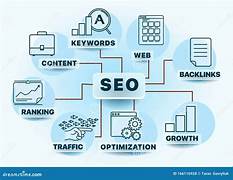 What is SEO optimization?
Navigational
Users want to visit a specific website.
Commercial
Users compare products or services before purchasing.
Transactional
Users are ready to take action or make a purchase.
Content Freshness
Regularly updating content signals relevance and improves rankings.
Technical SEO Optimization
Technical SEO focuses on improving website infrastructure and performance.
Website Speed
Page speed significantly affects user experience and rankings.
Ways to improve speed:
- Compress images
- Enable browser caching
- Minimize CSS and JavaScript
- Use a content delivery network (CDN)
Mobile-Friendliness
With mobile-first indexing, websites must perform well on smartphones and tablets.
Best practices include:
- Responsive design
- Readable text
- Fast loading times
- Touch-friendly navigation
XML Sitemap
An XML sitemap helps search engines discover and index website pages more efficiently.
Robots.txt
This file instructs search engine crawlers on which pages they can or cannot access.
HTTPS Security
Secure websites using HTTPS provide better protection and receive ranking benefits.
Structured Data
Structured data helps search engines understand content and display rich snippets in search results.
Examples include:
- Product ratings
- FAQs
- Reviews
- Events
Off-Page SEO Optimization
Off-page SEO refers to actions taken outside the website to improve authority and rankings.
Link Building
Backlinks are links from other websites pointing to your site.
High-quality backlinks signal trust and authority to search engines.
Effective Link Building Strategies
Guest Blogging
Publishing articles on reputable websites can generate valuable backlinks.
Content Marketing
Creating shareable content naturally attracts links.
Broken Link Building
Identifying broken links and suggesting your content as a replacement.
Digital PR
Earning media coverage and mentions from authoritative websites.
Social Media Signals
While social media may not directly impact rankings, it increases visibility, engagement, and content distribution.
Local SEO Optimization
Local SEO helps businesses attract customers within a specific geographic area.
Google Business Profile
Creating and optimizing a Google Business Profile improves local search visibility.
Local Keywords
Include location-specific keywords throughout website content.
Example:
Best SEO agency in Delhi
Online Reviews
Positive reviews increase trust and influence local rankings.
Local Citations
Consistent business information across directories improves credibility.
Core Web Vitals and SEO
Core Web Vitals are user experience metrics introduced by Google.
Largest Contentful Paint (LCP)
Measures loading performance.
Ideal score:
Less than 2.5 seconds
First Input Delay (FID)
Measures interactivity.
Ideal score:
Less than 100 milliseconds
Cumulative Layout Shift (CLS)
Measures visual stability.
Ideal score:
Less than 0.1
Improving these metrics enhances user experience and search rankings.
Common SEO Mistakes to Avoid
Keyword Stuffing
Overusing keywords makes content unnatural and may lead to penalties.
Duplicate Content
Publishing identical content across multiple pages can confuse search engines.
Ignoring Mobile Optimization
Poor mobile experiences can significantly hurt rankings.
Slow Website Speed
Users often abandon slow-loading websites.
Low-Quality Backlinks
Links from spammy websites can negatively affect SEO performance.
Missing Meta Tags
Title tags and meta descriptions are essential for search visibility.
Measuring SEO Success
Tracking performance is crucial for ongoing optimization.
Organic Traffic
Monitor visitors coming from search engines.
Keyword Rankings
Track keyword positions over time.
Click-Through Rate (CTR)
Measure how often users click your search listings.
Bounce Rate
Evaluate how many users leave after viewing one page.
Conversion Rate
Track how many visitors complete desired actions.
Backlink Growth
Monitor the number and quality of inbound links.
Essential SEO Tools
Google Analytics
Provides valuable insights into website traffic and user behavior.
Google Search Console
Helps monitor search performance and identify technical issues.
Ahrefs
Offers advanced backlink and keyword analysis.
SEMrush
Provides comprehensive SEO and competitive research tools.
Moz
Useful for keyword tracking and site audits.
Screaming Frog
Excellent for technical SEO audits.
Future Trends in SEO
Artificial Intelligence
AI-powered search is becoming more sophisticated and influences content evaluation.
Voice Search Optimization
More users are searching through voice assistants, requiring conversational keyword strategies.
User Experience Signals
Google continues prioritizing websites that offer exceptional user experiences.
Video SEO
Video content is increasingly important for search visibility and engagement.
E-E-A-T Principles
Experience, Expertise, Authoritativeness, and Trustworthiness play a significant role in content evaluation.
Conclusion
SEO optimization is a vital digital marketing strategy that helps websites improve visibility, attract organic traffic, and achieve business goals. Successful SEO requires a combination of keyword research, high-quality content, technical improvements, link building, and user-focused design.
As search engine algorithms continue to evolve, businesses must stay updated with the latest SEO trends and best practices. By implementing a comprehensive SEO strategy and consistently monitoring performance, websites can achieve sustainable growth and maintain a strong online presence in an increasingly competitive digital environment.
Investing in SEO today is not just about improving rankings—it’s about creating a better experience for users, building trust, and establishing long-term success in the digital marketplace.
